The Mental Health Benefits of Movement: Finding Balance Through Pilates and Mindfulness
Physical activity has long been prescribed for cardiovascular health and muscle tone, but its impact on the brain is equally profound. When you move your body, you trigger a cascade of neurochemical changes that directly alleviate stress, sharpen focus, and bolster resilience against anxiety and depression.
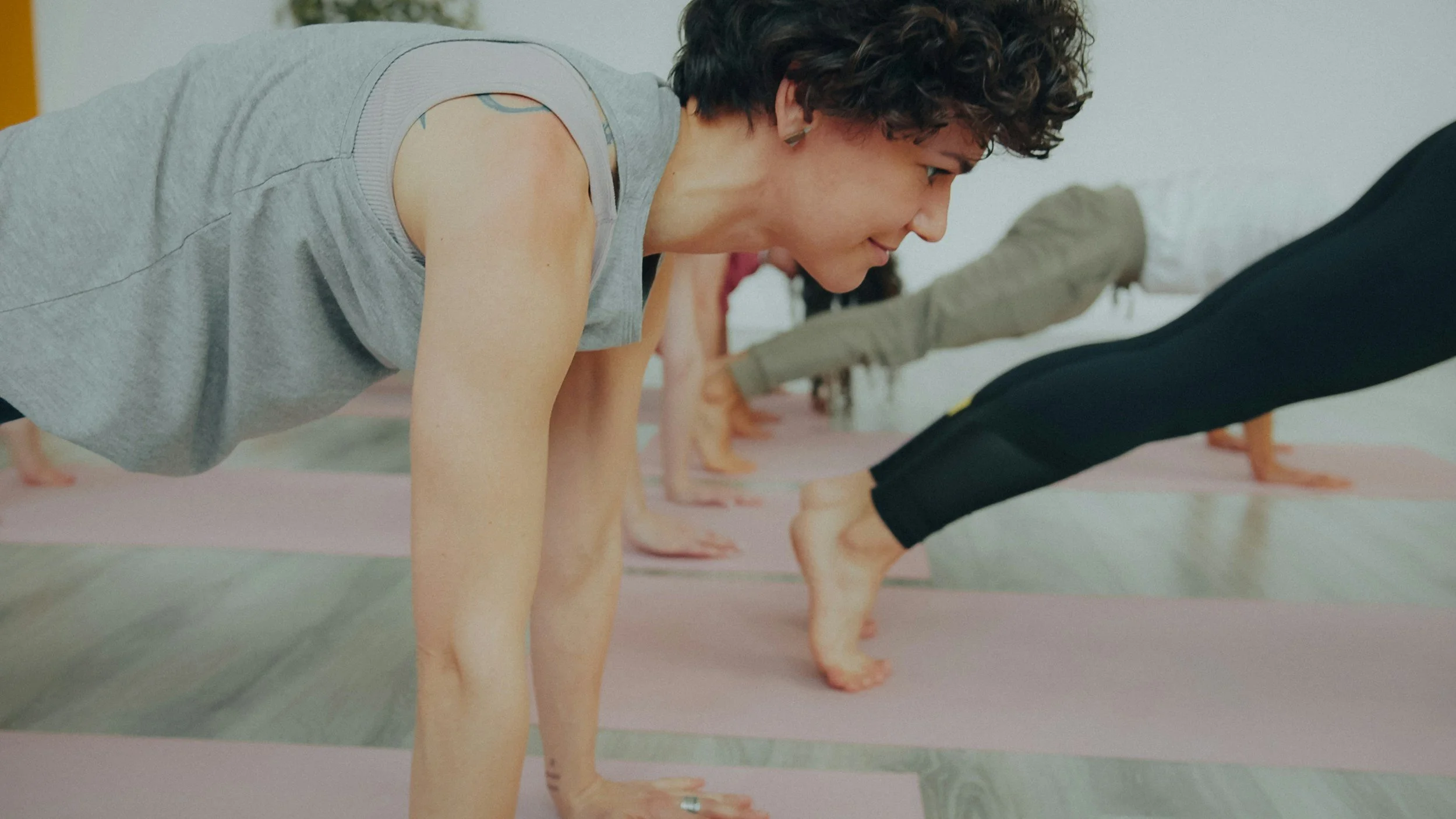
A Brief History of Pilates: From Rehabilitation to Mind-Body Mastery
To understand why Pilates is uniquely suited for mental well-being, it helps to look at its origins. Developed in the early 20th century by Joseph Pilates, the method was originally called ‘Contrology.’ Joseph Pilates designed the system during World War I while rehabilitating interned soldiers, engineering apparatuses using bedsprings and straps to help bedridden patients regain strength and muscle control. Crucially, his philosophy was never just about physical fitness; it was rooted in "complete coordination of body, mind, and spirit." This foundational emphasis on mental focus, breath control, and precision is precisely what makes modern Pilates an exceptional tool for nervous system regulation today.
Pilates and the Nervous System: Bridging Sympathetic and Parasympathetic States
When discussing the mental health benefits of movement, Pilates offers a unique and powerful case study. Unlike high-intensity workouts that can sometimes push an already stressed nervous system into overdrive, Pilates bridges physical conditioning with profound nervous system regulation.
Here is how Pilates specifically interacts with your sympathetic (‘fight-or-flight’) and parasympathetic (‘rest-and-digest’) nervous systems:
Down-Regulating the Sympathetic Nervous System: Chronic stress leaves many of us stuck in a sympathetic state, characterised by elevated cortisol, shallow breathing, and muscular tension. Pilates actively counters this by requiring slow, controlled movements and continuous, focused body awareness.
Activating the Parasympathetic Response Through Breath: Breath is the direct remote control for the nervous system. In Pilates, every movement is synchronised with specific lateral thoracic breathing. Prolonged, intentional exhalations stimulate the vagus nerve, signaling the brain to shift out of ‘fight-or-flight’ and activate the parasympathetic nervous system, lowering heart rate and reducing anxiety.
Enhancing Proprioception and Mind-Body Integration: By demanding precise control and deep muscular engagement, Pilates acts as a form of moving mindfulness. This intense focus interrupts the loop of rumination, giving the sympathetic nervous system a break and grounding the practitioner in the present moment.
Building Resilience Without Burnout: Because Pilates focuses on core strength, alignment, and controlled resistance rather than exhaustion, it conditions the body without triggering the cortisol spikes associated with over-exercising. This leaves you feeling energised yet calm rather than depleted.
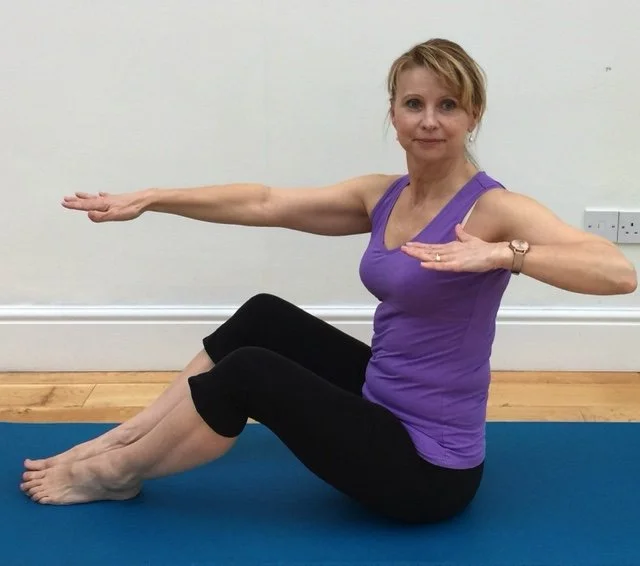
“By applying the fundamental principles of Pilates - Centering, Control, Precision, Breath, Flow and Concentration, we can find an inner calm and mindful focus as we realign and strengthen the body.”
Jill Rowland - Wiltshire Pilates
Mood Elevation and General Neurochemistry
Endorphin Release: Movement stimulates the release of endorphins, the body's natural pain relievers and mood elevators.
Neurotransmitter Regulation: Regular physical activity increases the availability of key neurotransmitters like serotonin and norepinephrine, which regulate mood and emotional stability.
BDNF Production: Exercise promotes Brain-Derived Neurotrophic Factor (BDNF), a protein that encourages the growth of new neurons and strengthens neural pathways, enhancing brain plasticity.
Bringing Pilates and Mindfulness to a hall near you!
Ultimately, the magic of Pilates lies in its seamless blending with mindfulness. Because it requires absolute presence, coordinating breath, core stability, spatial awareness, and fluid movement. There is simply no mental bandwidth left to dwell on yesterday's stress or tomorrow's deadlines. It transforms exercise into a moving meditation.
This shared commitment to blending mindful movement with deep, restorative well-being is why I am so excited to be collaborating with Wiltshire Pilates on ‘Flourish into Winter: Nurturing the Mind and Body Connection.’ This grounding half-day workshop blends the strength and flow of Pilates with the calm focus of mindfulness to help us release tension and build seasonal resilience. I will be guiding you through soothing opening and closing meditations, a grounding Mountain Meditation, and an interactive practical on building resilience, alongside wonderful Pilates sessions led by Jill and Sue.
Date & Time: Saturday 21st November 2026, 10.30am – 2.00pm
Location: Kington Langley Village Hall, near Chippenham
Cost: £45 (includes light refreshments)
I would love for you to join us. Book your workshop place today and help your mind and body flourish into the new season!
