Menopause as an Invitation: Why This Season is About More Than Just Symptoms
We often talk about menopause through the lens of symptoms. We discuss the biological shifts, the physical discomfort, and the immediate challenges that arrive uninvited. While these experiences are entirely valid and real, there is another, quieter conversation that often gets sidelined: the emotional and personal transition that accompanies this season.
Second Spring
For many, menopause doesn't arrive in isolation, it lands in the middle of a complex, layered and disorientating time of life. It is a period where children may be finding their independence, parents may need more of our care, and our own roles are undergoing a fundamental evolution. It is a season of significant ‘letting go’, and with that, it is natural to feel a sense of grief for what was. We are often managing the invisible labour of holding a family together while our own internal landscape is shifting beneath our feet.
When we are in the thick of it, it is easy to view these changes as a series of losses. We feel the shift in our bodies, the change in our family dynamics, and the erosion of the roles that once defined our daily rhythm. It’s unsettling.
But what if we looked at this not as a descent, but as an unfolding?
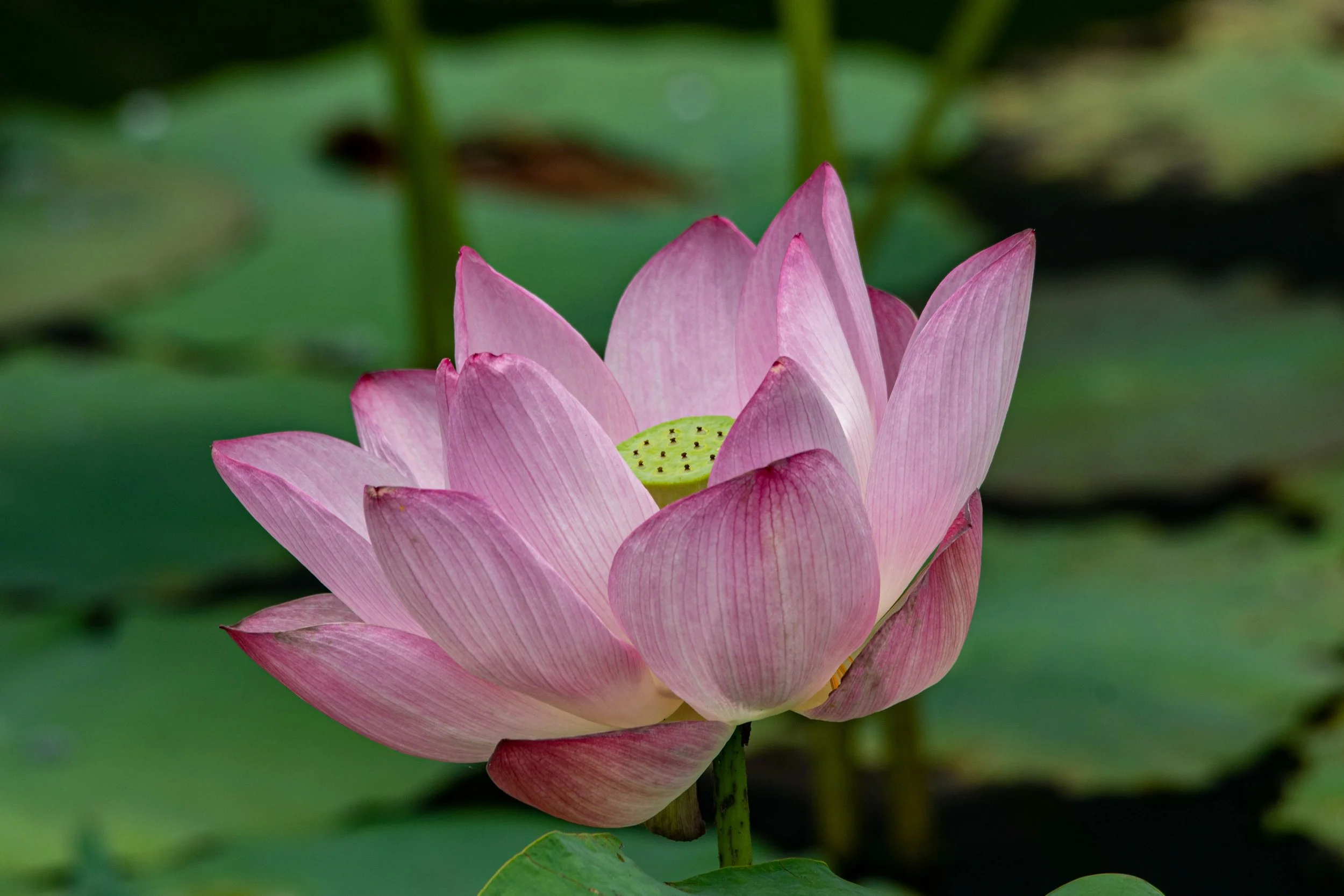
A traditional Taoist proverb offers a different lens:
'Menopause is a time for the woman to come into her own... it is the time for the second spring of life.'
This perspective invites us to look at our transition through a wider, kinder lens, encouraging us to treat ourselves with the same deep compassion we’ve spent years offering to others. Rather than trying to 'solve' our own evolution, we can begin to simply listen to it and be with it.
When we reframe this time as a ‘Second Spring,’ we aren't ignoring the physical symptoms or pretending the hard days don't exist. Instead, we choose to hold the entirety of the experience: the grief, the exhaustion, the confusion, and the rising tides of anxiety that can feel so overwhelming in this season. By choosing to hold these sensations with a little more grace, we shift from reacting to our discomfort to responding to our own needs with true self-care.
From this place of integration, a unique wisdom begins to emerge. As the energy we’ve long spent nurturing others starts to turn inward, we finally have the space to ask: What matters to me now? Who am I becoming, now that I am no longer defined by the expectations of the past?
“I think that middle age is when you really start to get to know yourself. You’ve got a better sense of who you are, what you like, and what you don’t like.”
This is the reclamation. It is the quiet understanding that you are not losing yourself; you are simply integrating the woman you have been into the woman you are becoming.
I am currently developing a mindfulness programme designed to hold space for this transition. My intention is to create a supportive environment where we can explore the biological and emotional shifts of this season, while beginning to envision what life looks like in this next chapter.
If this resonates with you and you would like to be kept updated on the programme’s development, I invite you to express your interest by completing the form accessed by the button below. There is no commitment required; it is simply a way to stay connected as we navigate this journey together.
